
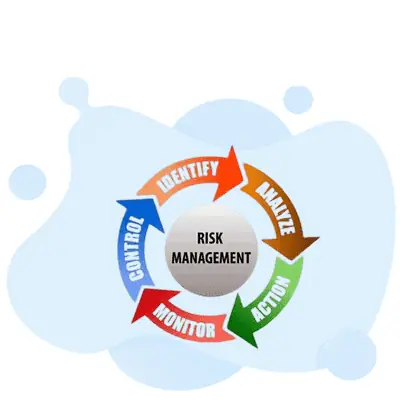
Risk management is a critical function in modern businesses, ensuring that organizations can identify, assess, and mitigate potential risks effectively. The Associate in Risk Management (ARM) certification is a highly respected credential that enhances professionals’ ability to manage risks strategically. This guide covers everything you need to know about the ARM certification, including its benefits, exam details, and how to obtain it.
Free ARM Practice Test Online
Key Takeaways
- The ARM certification is a recognized credential that enhances expertise in risk management.
- It consists of three exams covering fundamental and advanced risk management principles.
- Earning the certification can lead to career growth, higher salaries, and professional recognition.
- Various risk management institutes offer educational support and industry resources.
- Preparation through official materials, practice tests, and study groups increases the likelihood of success.
Associate in Risk Management Certification
The ARM certification is a professional designation offered by The Institutes, a leading provider of education in risk management and insurance. It is designed for individuals seeking expertise in risk assessment, control strategies, and financial risk management.
Earning an ARM certification can significantly enhance career prospects for professionals in the risk management, insurance, and business sectors. The certification demonstrates a strong understanding of risk principles and prepares individuals for leadership roles in risk management.
| What is the ARM exam? | The ARM exam is designed to test an individual's knowledge and skills in risk management concepts and strategies. Volume: 18100 |
| What topics are covered in ARM certification? | The ARM certification covers topics such as risk analysis, mitigation, insurance, and industry practices. Volume: 9900 |
| What is the passing score for ARM exam? | The passing score for the ARM exam varies based on individual results but typically requires a score above 70%. Volume: 4400 |
| What is the ARM exam format? | The ARM exam consists of multiple-choice questions, case studies, and practical assessments to evaluate risk management skills. Volume: 4400 |
| How many questions are there in the ARM exam? | The ARM exam consists of 100 questions, divided across multiple sections. Volume: 3600 |
| How much does the ARM exam cost? | The ARM exam registration costs around $200, but fees may vary. Volume: 18100 |
| What is the duration of the ARM exam? | The ARM exam is typically completed in 3 hours, with ample time for each section. Volume: 9900 |
| How to register for the ARM exam? | You can register for the ARM exam through the official ARM website or accredited institutions. Volume: 4400 |
| Can I take the ARM exam online? | Yes, the ARM exam is available through online proctoring services for remote test-takers. Volume: 3600 |
| What are the prerequisites for the ARM exam? | Applicants must have a background in risk management or related fields to take the ARM exam. Volume: 18100 |
| What is the best way to prepare for the ARM exam? | Preparation for the ARM exam involves studying risk management theory, practical case studies, and understanding industry regulations. Volume: 9900 |
| What resources can help with ARM exam preparation? | Study guides, practice tests, and online courses are excellent resources for ARM exam preparation. Volume: 4400 |
| Are there study guides for ARM exam? | Yes, there are several study guides and review books available to help candidates prepare for the ARM exam. Volume: 4400 |
| Is the ARM exam available internationally? | The ARM exam is available at select international test centers, making it accessible to a global audience. Volume: 3600 |
| What is the validity of ARM certification? | ARM certification is valid for 3 years, after which a recertification process is required. Volume: 18100 |
| What career opportunities are available with ARM certification? | ARM-certified professionals can work in industries such as insurance, corporate risk management, and financial services. Volume: 9900 |
| What industries value ARM certification the most? | Industries such as finance, insurance, and manufacturing highly value ARM certification. Volume: 4400 |
| What is the salary range for ARM-certified professionals? | The average salary for ARM-certified professionals ranges from $60,000 to $120,000 annually. Volume: 3600 |
| How does ARM certification benefit professionals? | ARM certification enhances career prospects, leading to higher salaries and job opportunities in risk management. Volume: 18100 |
| What are the challenges in passing the ARM exam? | The main challenges include mastering complex risk management principles and applying them in practical case studies. Volume: 9900 |
Benefits of the ARM Certification
- Career Advancement – Opens opportunities for higher-level positions in risk management and insurance.
- Increased Earning Potential – Certified professionals often qualify for better salaries.
- Industry Recognition – Validates expertise in risk management, making candidates more competitive in the job market.
- Enhanced Decision-Making Skills – Improves ability to assess and mitigate financial and operational risks.
- Flexible Learning – Online courses and self-paced study options make it accessible for working professionals.
What Is an Associate in Risk Management?
An Associate in Risk Management (ARM) is a designation that certifies an individual’s ability to handle risk-related challenges in various industries. The program covers topics such as:
- Risk Assessment and Analysis – Identifying potential threats and vulnerabilities.
- Risk Control Techniques – Strategies to minimize or prevent losses.
- Financial Risk Management – Understanding the financial implications of risk.
- Legal and Regulatory Compliance – Ensuring adherence to industry regulations.
The ARM certification is widely recognized across industries, including insurance, finance, healthcare, and manufacturing.

Associate in Risk Management Exam
To earn the ARM certification, candidates must pass a series of exams covering core risk management principles. The exams are administered by The Institutes and are available in an online proctored format.
ARM Exam Structure
The ARM certification consists of three main courses, each with a corresponding exam:
ARM 400 – Risk in an Evolving World
- Focuses on fundamental risk management concepts and modern risk challenges.
ARM 401 – Holistically Assessing Risk
- Covers comprehensive risk assessment frameworks and strategies.
ARM 402 – Successfully Treating Risk
- Explores risk mitigation techniques, including financial and operational strategies.
Each exam consists of multiple-choice questions, and candidates must pass all three to earn the certification.
Exam Preparation Tips
- Use Official Study Materials – The Institutes provide textbooks, online courses, and study guides.
- Take Practice Tests – Simulate exam conditions to improve confidence and performance.
- Join Study Groups – Collaborate with other candidates to reinforce learning.
- Enroll in Review Courses – Consider structured training programs for a comprehensive understanding of exam topics.
Risk Management Institute
Several organizations provide training and resources for risk management professionals. Some of the most reputable institutes include:
- The Institutes – Offers the ARM certification and other risk management programs.
- Risk Management Society (RIMS) – Provides research, networking, and professional development opportunities.
- Global Risk Management Institute (GRMI) – Focuses on advanced education in risk management.
- National Association of Insurance Commissioners (NAIC) – Provides regulatory resources and risk management guidelines.
These institutions play a crucial role in advancing risk management education and setting industry standards.

How to Get ARM Certification
Obtaining the ARM certification involves a structured process that includes coursework, exams, and professional application.
Steps to Earn the ARM Certification
Meet Eligibility Requirements
- There are no formal prerequisites, but a background in risk management, business, or insurance is helpful.
Register for ARM Courses
- Enroll in the required courses through The Institutes.
Prepare for the Exams
- Utilize official textbooks, online resources, and practice exams.
Take and Pass the Exams
- Successfully complete ARM 400, ARM 401, and ARM 402 exams.
Apply for Certification
- After passing all exams, apply for the ARM designation through The Institutes.
Conclusion
The Associate in Risk Management (ARM) certification is a valuable credential for professionals aiming to advance their careers in risk management and insurance. With the increasing complexity of business risks, organizations seek skilled professionals who can navigate uncertainties and implement effective risk management strategies. By earning the ARM certification, individuals gain the knowledge and credibility needed to excel in the field and contribute to their organizations’ long-term success.
ARM Questions and Answers
ARM certification is designed for professionals in risk management, focusing on assessment and mitigation of risks. Volume: 201000
ARM certification remains valid for three years. Recertification is required to maintain the certification. Volume: 110000
If you fail the ARM exam, you may retake it after a 30-day waiting period. Volume: 90500
Yes, several study guides and prep courses are available to help you prepare for the ARM exam. Volume: 49500
Official ARM prep books, online practice tests, and review courses are the best materials to study. Volume: 30100
Basic education in business or risk management is required for ARM certification. Volume: 30200
You can take the ARM exam as many times as needed, with a waiting period of 30 days between attempts. Volume: 30300
The cost of ARM certification varies depending on the exam location, but typically it is around $400 to $500. Volume: 30500
Practice tests are available on official ARM websites, exam prep platforms, and review books. Volume: 30700
Yes, ARM certification can improve your earning potential by demonstrating your expertise in risk management. Volume: 30900